What to Do During a House Lockout: Step-by-Step Guide
Table of Contents
Stay Calm and Assess the Situation
Emergency Triage for Children, Pets, and Medical Needs
How to Get Back Into Your House Without a Key
Tier 1: Safe, No-Tools Checks (Do These First)
Tier 2: Spare-Key and Trusted-Person Checks
Tier 3: Higher-Risk DIY, Know When to Stop
Renters: Your Landlord Is the Fastest Legal Route
Contact Someone With a Spare Key
Reach Out to Roommates, Family, or Neighbors
Ask Your Landlord or Property Manager for Access
When to Call an Emergency Locksmith for House Lockout
Verify Identity and Authorization Before Letting Anyone In
Understand Locksmith Response Time for Emergency Lockout Situations
Lockout Costs and Avoiding Scams
What Drives the Price of a House Lockout
How to Get a Quote You Can Hold Them To
Verify the Locksmith Before You Let Them In
Authorization and Residency Checks
If You Think You've Been Overcharged
Preventing Future House Lockouts
Install a Smart Lock or Keyless Entry System
Establish a Spare Key Management System
Frequently Asked Questions
Last Updated: October 18, 2026
Stay Calm and Assess the Situation
A house lockout is stressful, but panic makes it worse. Take a breath: Did you lose your keys? Is the door actually locked? Have you checked every entry point?
Those who stay calm and assess systematically find a solution faster.
Emergency Triage for Children, Pets, and Medical Needs
If children, pets, or someone with a medical condition are locked inside, call 911 immediately. Do not wait.
For pets locked inside during extreme weather, call emergency services or animal control.
If someone inside needs medication or has a health condition, tell the dispatcher upfront, they may send police or fire services.
For children locked inside, stay visible and calm.
Once the immediate emergency is handled, you can address the lockout itself.
How to Get Back Into Your House Without a Key
Before calling anyone, run a quick, low-risk sweep. Most lockouts resolve without professional help if you separate safe checks from ones that can hurt you or damage the property.

Tier 1: Safe, No-Tools Checks (Do These First)
These carry essentially no risk of injury or damage. Do all of them first.
Walk the full perimeter. Check the front, back, side, garage, basement, and any sliding or French doors. Try each handle. Secondary doors are the most commonly forgotten entry point.
Check ground-floor windows. Push up on sashes you may have left cracked for air. Confirm the window actually opens and the screen isn't the only thing between you and the room.
Look for a pet door. A large dog door can work for a small, flexible adult, but measure the opening first, a stuck shoulder is worse than a lockout.
If you find a way in, secure the entry point behind you and note how you got in. That tells you which door or window to fix or re-key later.
Tier 2: Spare-Key and Trusted-Person Checks
Call anyone who might hold a key. Roommates, a spouse, parents, adult children, neighbors with a spare. Ask specifically whether they still have it, spares get lost or returned without anyone mentioning it.
Check your workplace. Many people keep a spare in a desk drawer or with a trusted coworker.
Ask a neighbor to check a hiding spot. If you use a lockbox, have them read you the code rather than guessing.
Tier 3: Higher-Risk DIY, Know When to Stop
Everything below can cause injury, property damage, or a bigger repair bill than a locksmith call. Attempt these only if you're physically able, have the right tool, and accept the risk.
Credit-card or shim bypass. Only works on spring-latch knobs that aren't deadbolted, and it damages the card and sometimes the weatherstripping. It won't work on a deadbolt, dead-latch, or most modern doors. If it doesn't give in a minute or two, stop.
Lock picking. Picking a standard pin-tumbler lock takes real practice. Without picks and experience, you'll likely bend a pick or mar the keyway. Skip it.
Ladders to upper windows. Only if the ladder is stable, the ground is level, someone is spotting you, and the window opens. Falls from ladders are a leading cause of serious home-injury ER visits, a locksmith is cheaper than a fracture.
Stop DIY attempts and call a professional if any of these are true: someone inside is a child, elderly, or has a medical condition; pets are inside in extreme heat or cold; you're on a second story or higher; you don't have the right tool; or you've already tried one method without success. Repeated failed attempts are what turn a lockout into a repair bill.
Renters: Your Landlord Is the Fastest Legal Route
If you rent, contact your landlord or property manager before attempting entry yourself. Most leases and state landlord-tenant rules require access during reasonable hours, and many larger buildings have a concierge or maintenance line. Document the time you called and who you spoke with, that record matters if you escalate to a tenant-rights organization or the police non-emergency line.
Contact Someone With a Spare Key
If you can't get in on your own, reach out to people who might have a spare key.
Reach Out to Roommates, Family, or Neighbors
Call your roommate or spouse if they have a key. If they're at work, ask them to come home or authorize you to pick up their key.
Contact family members. Parents, siblings, or adult children may have a spare key you forgot about.
Ask a trusted neighbor. If you've given them a spare for emergencies, now is the time to use it.
Ask Your Landlord or Property Manager for Access
Call them immediately. Explain the situation. They may come themselves or send maintenance staff with a key.
Document the time you called and their response time, this matters if you file a complaint later.
If your landlord doesn't respond within a reasonable time and you have an emergency, contact local tenant rights organizations or the police non-emergency line.
When to Call an Emergency Locksmith for House Lockout
If you've exhausted the options above and can't get in, it's time to call a professional locksmith. This is what we do, and we're available 24/7 for exactly this situation.
You should call a locksmith if:
All doors and windows are locked with no accessible entry
You've waited too long to contact your landlord and need access now
You don't have a spare key and can't reach anyone who does
A professional locksmith can open your door in minutes without damaging it, using the right tools and training.
Verify Identity and Authorization Before Letting Anyone In
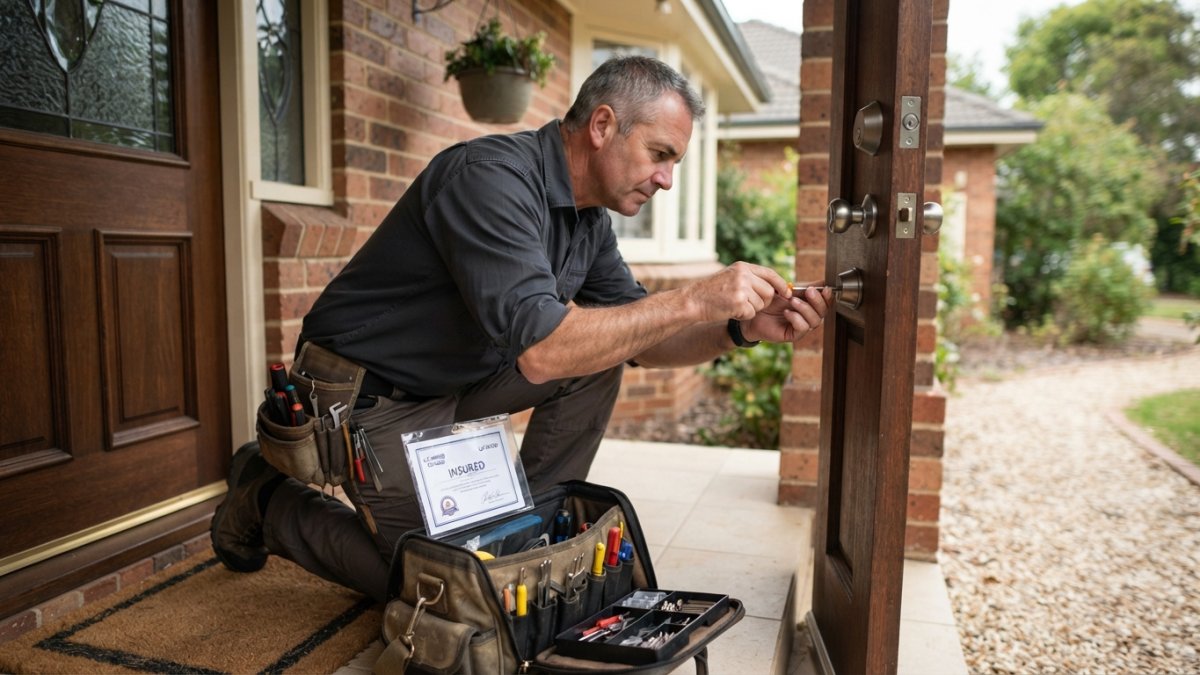
Ask for a photo ID and business credentials. A legitimate locksmith carries identification.
Ask for their license number, many states require locksmiths to be licensed.
Use a video doorbell or peephole before opening the door.
Ask them to explain how they'll open your lock.
Never give a locksmith your social security number, bank account, or other sensitive information.
Understand Locksmith Response Time for Emergency Lockout Situations
A quality locksmith responds quickly. We prioritize emergency lockouts and work to reach you fast.
Response time depends on how busy we are and your location.
When you call, ask for an estimated arrival time.
Once a professional arrives, opening your lock typically takes 10 to 30 minutes depending on lock type.
Ask the locksmith to explain what they're doing as they work.
Lockout Costs and Avoiding Scams
Lockout pricing is where most people get burned, because the service is urgent and you can't comparison-shop in the moment. Understanding what drives the price, and how to verify a locksmith before authorizing work, protects your wallet and your home.
What Drives the Price of a House Lockout
A legitimate locksmith bill usually has three parts:
Service call / trip fee. Covers travel to your address; typically higher late at night, on weekends, and on holidays.
Labor. Charged by the job or by the hour. A standard residential lockout is usually under an hour once the technician is on site.
Parts, only if needed. A new cylinder, strike plate, or re-key adds cost. A straightforward non-destructive entry usually needs none.
Factors that move the number: lock type (a basic pin-tumbler knob is faster than a high-security deadbolt), time of day, distance, and whether the door is jammed or damaged. Rates vary by market and company, so ask for the total before work begins rather than anchoring on an advertised number.
Ask three questions on the phone: What is the trip fee? What is the labor charge, and is it flat or hourly? What is the all-in estimate for my lock type? A legitimate locksmith can answer all three before dispatching.
How to Get a Quote You Can Hold Them To
Get the total, not the 'starting at' price. A low phone quote that balloons on arrival is the classic bait-and-switch. Ask, "What will I pay out the door for a standard lockout at this address tonight?"
Confirm what the quote includes. Trip fee, labor, and any after-hours surcharge should be named.
Get it in writing or by text before you authorize work, and keep the message.
Verify the Locksmith Before You Let Them In
Scam operators count on urgency. Slow down for two minutes and check:
Vehicle and identification. A marked vehicle with a business name and phone number, and a technician with photo ID. Call the number on the vehicle to confirm it matches the company you hired.
License and insurance. Many states license locksmiths and require insurance; ask for the license number, verify it with your state's licensing board, and ask whether they carry liability insurance.
Reviews. Check recent reviews for hidden charges, upselling, or pressure tactics before you book, not after.
Authorization and Residency Checks
A reputable locksmith may ask you to prove you live at the address, a driver's license with the address, a piece of mail, or a lease. This is a safety feature, not an obstacle: it keeps a locksmith from helping someone break into a home that isn't theirs. Have ID ready, and expect the technician to confirm authorization if you rent or the home belongs to someone else.
Never provide your Social Security number, bank account details, or other sensitive information to a locksmith. They need only payment for the completed job. If anyone pressures you for more, end the call and contact another company.
If You Think You've Been Overcharged
Get an itemized receipt. If the final bill doesn't match the quote, dispute the charge with your card issuer and file a complaint with your state's consumer protection office or licensing board. Document the technician's name, company, vehicle, and time of service, that record makes a complaint actionable.
Preventing Future House Lockouts
The best lockout is the one that never happens. A few simple steps prevent most.
Install a Smart Lock or Keyless Entry System
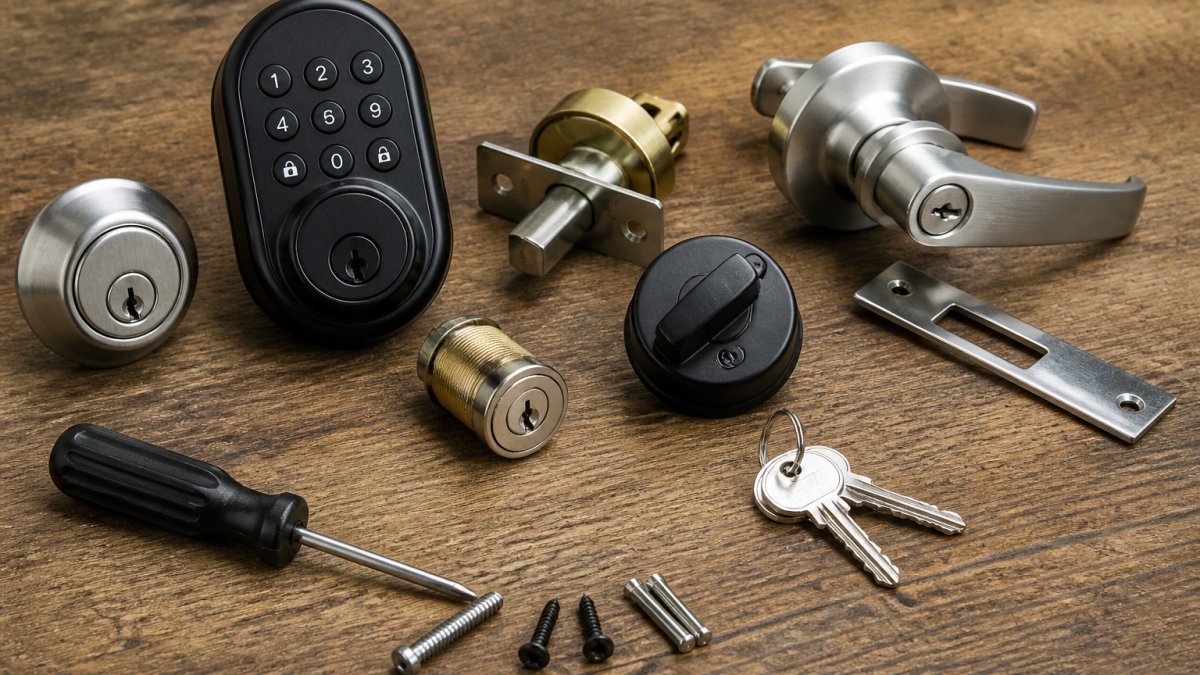
A smart lock eliminates physical keys, unlock your door with a code, fingerprint, or smartphone app.
Smart locks cost more upfront, but they prevent lockouts entirely, you never lose a key you don't have.
Install a backup power source so you can still enter if the smart lock's battery dies.
Make sure your smart lock is compatible with your door, some require modification to fit one.
Establish a Spare Key Management System
Give a spare key to a trusted family member or friend.
Keep a spare key at your workplace in a secure location, avoid obvious spots like your desk.
Never hide a key under a mat, in a planter, or behind a loose brick.
Use a key safe bolted to your home. These are small, secure boxes that hold spare keys.
Frequently Asked Questions
What should you do first if you're locked out of your house?
First, stay calm and assess your situation. Check if anyone is inside who can open the door, especially children or pets. If there's an emergency, call 911. Then check for unlocked doors or windows. Try contacting a family member, roommate, or trusted neighbor who has a spare key. Only after these options fail should you contact a professional locksmith for your house lockout.
How can you get back into your house without damaging the lock?
Before attempting any entry, look for a safely accessible alternate entrance like an unlocked back door or ground-floor window. Check for a hidden spare key you may have placed in a lockbox or planter. If you have a smart lock or keyless entry system, use your phone or code. Avoid forcing the door frame or using a credit card to manipulate the deadbolt, as these methods risk property damage. Call a professional locksmith if all safe options are exhausted.
When should you call an emergency locksmith for a house lockout?
Call a professional locksmith immediately if there's a medical emergency, a child or pet is inside, or severe weather is approaching. Also call if you've exhausted safe DIY options like checking alternate entries and contacting people with spare keys. A licensed locksmith can verify your identity and authorization, regain entry without damage, and provide solutions like rekeying or installing smart locks to prevent future lockouts.
How long does it take for a locksmith to respond to a house lockout?
Response time varies based on the locksmith and current demand, but professional services typically arrive within a reasonable timeframe. When calling an emergency locksmith for your house lockout, ask about their estimated response time upfront. Licensed, bonded locksmiths with 24/7 service often prioritize emergencies involving children, pets, or medical situations. Always verify the locksmith's credentials and ask about their service call fee before they arrive.
Getting locked out of your house is frustrating, but it's solvable. Stay calm, check every option for entry, reach out to people who might have a spare key, and call a professional locksmith if you need one. At A Ej Locksmith, we're ready to help 24/7 with fast, professional service and transparent pricing. We'll get you back inside safely without damaging your home. Contact us today for emergency lockout assistance.
Contact Us
Comments