Licensed Residential Locksmith: What to Know
Table of Contents
What Makes a Licensed Residential Locksmith Trustworthy
How to Verify a Locksmith's License and Credentials
Questions to Ask Before Hiring a Residential Locksmith
Signs of a Locksmith Scam and How to Avoid Them
Understanding Residential Locksmith Services and Pricing
24/7 Emergency Lockout Assistance and Response Times
Advanced Security Solutions for Your Home
Frequently Asked Questions
Last Updated: October 4, 2026
What Makes a Licensed Residential Locksmith Trustworthy
A licensed residential locksmith brings credentials, accountability, and professional standards that protect your property and peace of mind. Homeowners need proof that the person handling their locks has the training, licensing, and insurance to do the job right.
A licensed residential locksmith has completed formal training, passed examinations, and maintains active credentials with state and local authorities. If something goes wrong, a damaged door frame or malfunctioning lock, there's a clear path to recourse. An unlicensed operator leaves you with no protection and no legal standing if the work fails.
Trustworthy locksmiths are transparent about credentials from the first call. They should provide license numbers, insurance information, and background details without hesitation.
Pro Tip Ask for the locksmith's license number before they arrive, then verify it yourself on your state's licensing board website. This five-minute check eliminates 90% of scam operators who claim credentials they don't have.
How to Verify a Locksmith's License and Credentials
Start by asking the locksmith for their license number, business registration, and proof of insurance. A legitimate professional will provide these immediately without defensiveness.
Go to your state's licensing board website and search the database to confirm the license is active, in good standing, and hasn't been revoked or suspended.

Ask for proof of general liability insurance and workers' compensation coverage. Call the insurance company directly to confirm; legitimate businesses welcome this verification.
A bonded locksmith has posted a financial guarantee that protects you if they damage your property or fail to complete the work as promised.
Search for the business name online and check for complaints with the Better Business Bureau. Patterns of unresolved issues or licensing violations are red flags; isolated complaints are normal.
Key Takeaway The three-point verification check, license confirmation, insurance verification, and bonding status, eliminates the vast majority of unlicensed and fraudulent operators. Do this before the locksmith arrives at your door.
Questions to Ask Before Hiring a Residential Locksmith
Ask: "What is your license number, and can you text or email me proof of it?" A professional will do this without hesitation. If they deflect, avoid them.
Ask about response time for emergency calls. A licensed residential locksmith should provide a realistic timeframe, typically 30 to 60 minutes depending on location and call volume.
Ask whether they charge a service call fee separate from the actual work. Transparent pricing prevents shock bills later.
Ask about pricing for after-hours calls, emergency lockout fees, and whether they handle smart locks and keyless entry systems.
Ask if they provide a written estimate before starting work. Stop them immediately if they begin without one.
Ask about their guarantee. A licensed residential locksmith should offer a service guarantee covering defects in workmanship or materials.
Signs of a Locksmith Scam and How to Avoid Them
Locksmith scams exploit homeowners who are stressed and locked out. Recognizing warning signs protects your wallet and security.
A major red flag is quoting one price over the phone and charging dramatically more on arrival. Legitimate locksmiths stay in the ballpark of their phone quote.
Unlicensed operators often avoid giving you a license number or become defensive when you ask for it. They might say "the license is in the truck" or "we operate under a parent company's license." These are stalling tactics. A real licensed residential locksmith has their license readily available and encourages verification.
Avoid locksmiths who appear to pick your lock in seconds without proper tools or inspection. Legitimate lock work takes time, the locksmith needs to assess the lock type, check for damage, and ensure they're using the right technique. If someone claims they can open any lock in 30 seconds, they're either not actually opening your lock or they're using destructive methods that will cost you more in repairs.
Watch out for pressure to upgrade your locks or install expensive security systems you didn't ask for. A scammer might claim your locks are "outdated" or "unsafe" and push you toward expensive replacements. Ask for a second opinion before agreeing to major work. We provide honest assessments, recommending upgrades only when they actually improve your security, not to inflate the bill.
Watch Out If a locksmith demands cash payment only and refuses credit cards or checks, that's a major warning sign. Legitimate businesses accept multiple payment methods and provide receipts. Cash-only operators avoid paper trails, which makes it harder to dispute charges or file complaints.
Never hire a locksmith who shows up in an unmarked vehicle with no company name or branding. Professionals advertise their business on their vehicles and uniforms. An unmarked van is often a sign of an unlicensed operator or someone operating under multiple fake business names.
Be skeptical of extremely low prices. If a locksmith quotes significantly less than others, they may be planning to charge hidden fees later or use low-quality materials. Professional work costs what it costs, suspiciously cheap quotes often lead to expensive problems.
Understanding Residential Locksmith Services and Pricing
Residential locksmith services fall into several categories, and understanding what each involves helps you budget and set realistic expectations. Emergency lockout services are the most common reason homeowners call a locksmith. This typically includes opening a locked door without damaging the lock, if possible. The locksmith assesses the lock, uses specialized tools to manipulate the mechanism, and gains entry.
Lock repair and replacement services address locks that are damaged, worn, or malfunctioning. A locksmith might repair an internal mechanism or replace the entire lock assembly. Replacement is often the better choice for older locks that are prone to jamming or sticking. The cost depends on the lock quality and whether you want a standard deadbolt or a high-security option.
Rekeying is a cost-effective alternative to replacing locks when you want to change who has keys. A locksmith disassembles the lock, replaces the internal pins, and creates new keys that work with the rekeyed mechanism. This is especially useful after a move, when you don't know who might have old keys, or after losing keys. Rekeying costs significantly less than replacing locks.
Key duplication and creation services are straightforward, the locksmith cuts new keys that match existing ones or creates keys for locks that don't have them. Pricing is typically per key, with discounts for multiple keys.
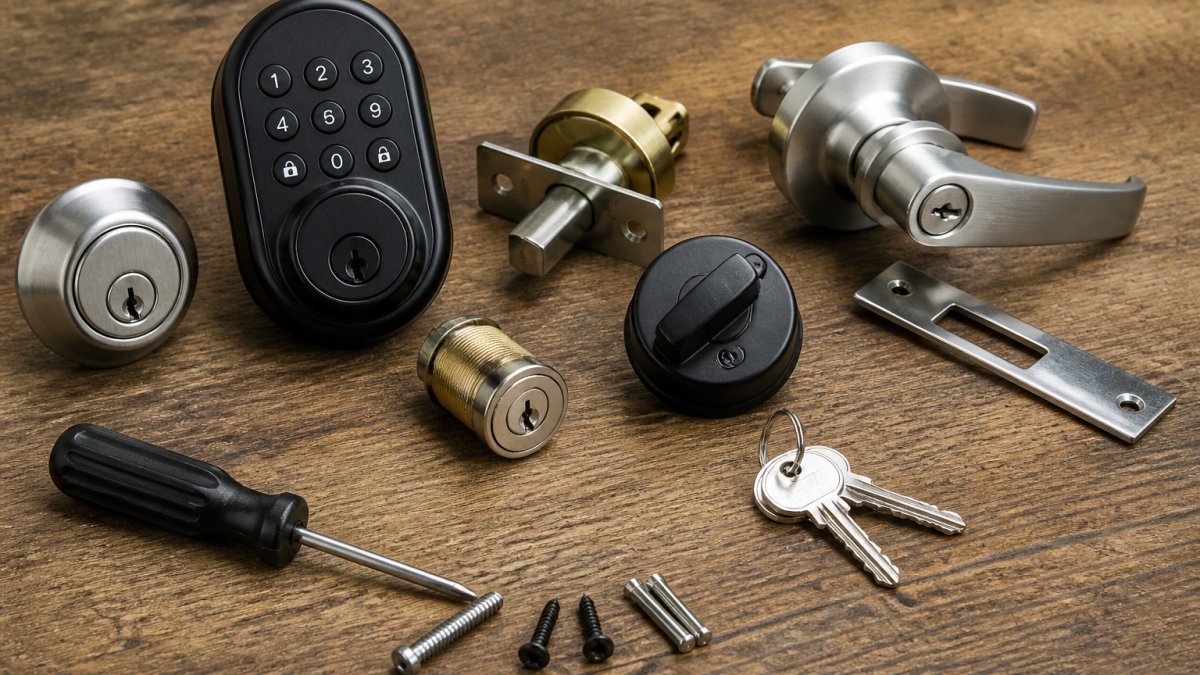
High-security lock installation protects against picking, bumping, and other sophisticated bypass techniques. These locks use advanced mechanisms and restricted key blanks that can't be duplicated at hardware stores. They cost more than standard locks but provide significantly better protection. Smart lock installation and integration is increasingly popular. Locksmiths can install keyless entry systems, integrate smart locks with home automation, and ensure they work alongside traditional locks for backup access.
Master key systems allow multiple keys to open different locks while one master key opens them all. This is common in commercial properties but increasingly used in multi-unit residential buildings or large homes where you want different access levels for different people.
Service Type | Typical Use Case | Complexity Level |
Emergency lockout | Locked out of home | Low |
Lock repair | Jammed or damaged lock | Low to medium |
Lock replacement | Upgrading security | Medium |
Rekeying | Changing who has keys | Medium |
High-security installation | Enhanced protection | Medium to high |
Smart lock integration | Keyless entry systems | High |
24/7 Emergency Lockout Assistance and Response Times
Lockouts happen at inconvenient times, that's why professional locksmiths operate around the clock. Understanding how emergency services work helps you know what to expect when you're locked out at midnight or on a holiday.
Most licensed residential locksmith services charge a premium for after-hours calls. This reflects the cost of maintaining 24/7 availability and the inconvenience to the technician. Expect to pay more for a 2 a.m. lockout than a 2 p.m. one, though the actual work is identical. This is standard across the industry and legitimate, it's not a scam.
Response times for emergency calls typically range from 30 to 60 minutes, depending on the locksmith's location and current call volume. During peak times, late nights, weekends, or holidays, response times may stretch longer. When you call for emergency assistance, ask for a realistic timeframe and get it in writing if possible. A Ej Locksmith provides transparent response time estimates so you know what to expect.
Some locksmiths offer faster response in specific service areas. If you live in a densely populated area, emergency response may be quicker than in rural locations. Ask the locksmith about their coverage area and whether they have technicians stationed nearby.
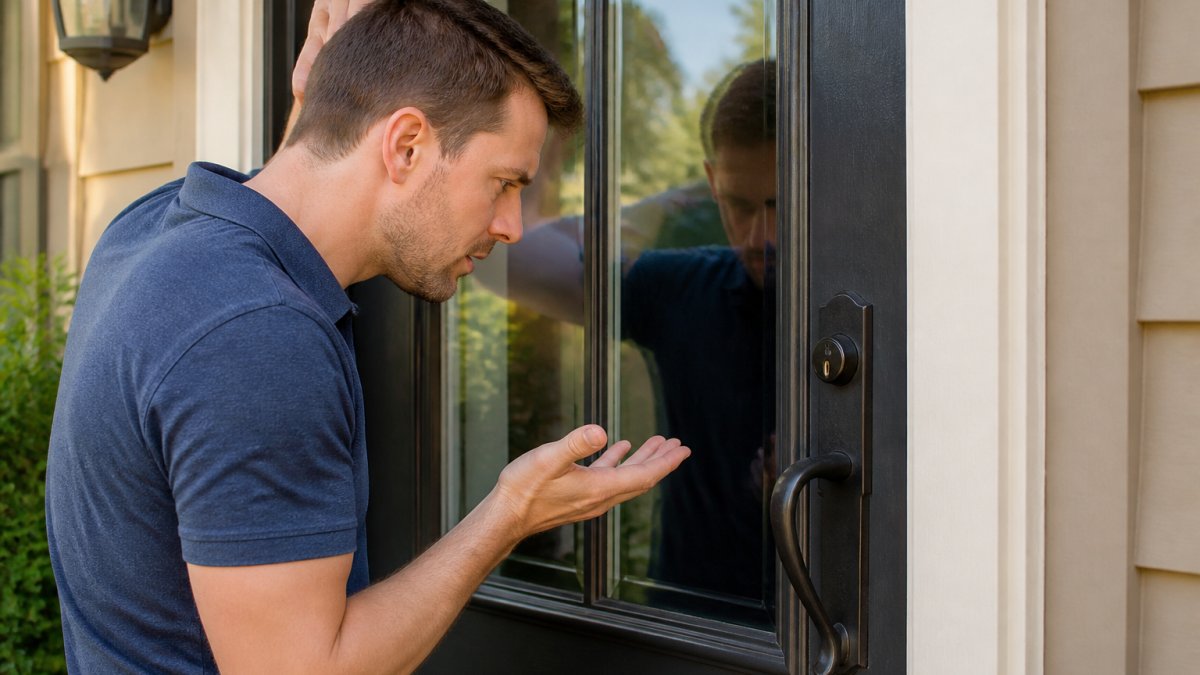
While you wait for the locksmith to arrive, avoid trying to force your way in or damage the lock yourself. This can make the job more expensive and may create security vulnerabilities. Stay calm, verify the locksmith's identity when they arrive (check their ID and vehicle markings), and confirm pricing before they start work.
Pro Tip Keep a trusted locksmith's number in your phone before you need it. When an emergency happens, you won't have time to search for reviews and verify credentials, you'll want to call someone you've already vetted.
Advanced Security Solutions for Your Home
Modern residential security goes beyond traditional locks. Professional locksmiths now install and integrate advanced systems that provide multiple layers of protection and convenience.
Smart lock systems allow keyless entry through codes, biometrics, or smartphone apps. These locks integrate with home automation systems, enabling remote access monitoring and temporary access codes for guests or service providers.
High-security locks use advanced mechanisms that resist picking, bumping, and drilling. These locks have restricted key blanks that can't be duplicated at hardware stores, limiting unauthorized key creation. They're more expensive than standard deadbolts but provide substantially better protection against sophisticated break-in attempts.
Master key systems create hierarchies of access. Your master key opens all locks, while individual keys open only specific locks. This is useful for homeowners with multiple properties or large homes where different family members need different access levels.
Access control systems manage who enters specific areas and when. Residential applications include garage door openers that integrate with smart home systems, gate access controls, and interior door locks that restrict access to certain rooms. These systems provide detailed logs of who accessed what and when.
Security audits by a professional locksmith identify vulnerabilities in your current setup. The locksmith assesses your locks, entry points, and overall security posture, then recommends upgrades. This prevents costly mistakes like installing incompatible systems or overlooking obvious weak points.
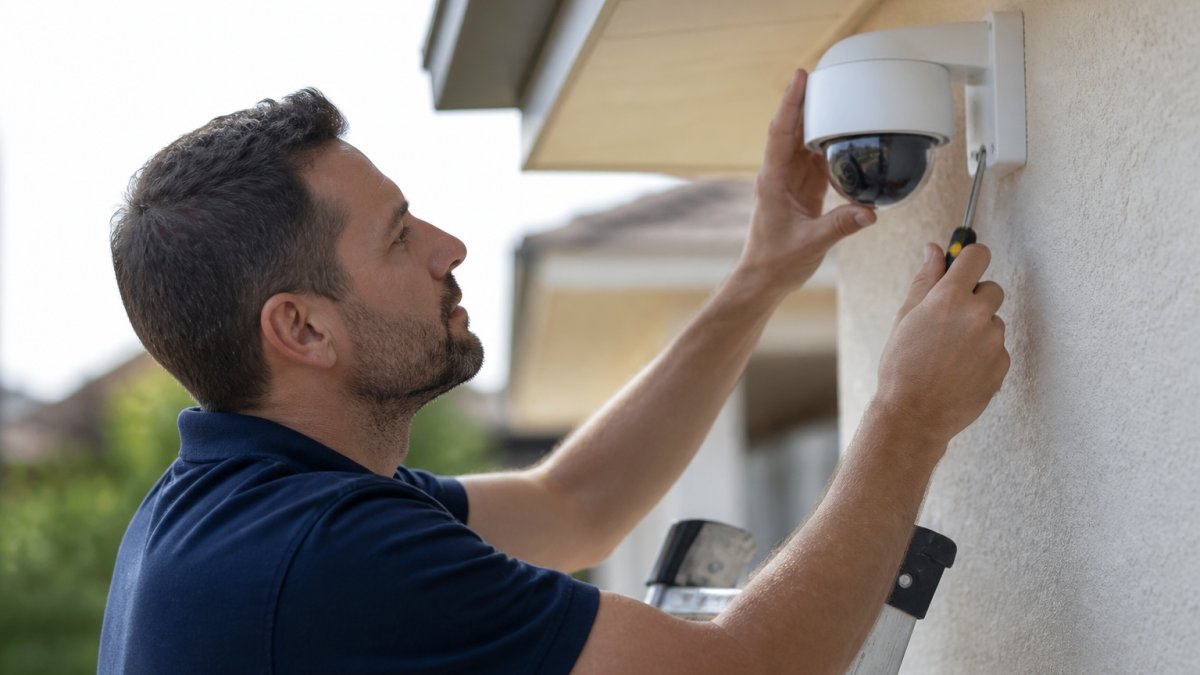
Integration is key. A professional locksmith ensures all your security components work together, smart locks, traditional deadbolts, access control, and monitoring systems. Mismatched systems create gaps that compromise security. A licensed residential locksmith understands how different systems interact and can design a cohesive security plan.
Protecting your home starts with choosing the right professional. When you're ready to upgrade your home security or need emergency lockout assistance, A Ej Locksmith is available 24/7 with 43 years of experience, full licensing, bonding, and insurance backing every job. Contact Us for a transparent assessment and professional service you can trust.
Frequently Asked Questions
How do I verify if a licensed residential locksmith is actually licensed and insured?
Ask the locksmith for their license number and insurance certificate before work begins. Contact your state's licensing board or regulatory agency to confirm the license is active and in good standing. Request proof of bonding as well. Legitimate professionals carry this documentation and will provide it without hesitation. Verify the name on the license matches the business name they're operating under.
What questions should I ask a residential locksmith before hiring them?
Ask about their response time guarantee, whether they charge a service call fee, how they price emergency versus standard work, and what warranty they offer on their labor. Confirm they carry liability insurance and bonding. A trustworthy locksmith will answer all questions directly and provide transparent pricing upfront.
What are common signs of a locksmith scam?
Red flags include refusing to provide a license number, offering prices significantly lower than competitors, demanding cash-only payment, charging dramatically more after arriving than quoted by phone, or using high-pressure tactics. Avoid locksmiths who appear without being called or offer unsolicited services. Legitimate professionals provide written estimates, accept multiple payment methods, and maintain consistent pricing policies.
Why should I hire a licensed locksmith instead of trying DIY solutions?
Licensed locksmiths have professional tools and training to solve problems without damaging your property. DIY attempts risk breaking locks, scratching doors, or causing costly damage. A licensed professional carries insurance to cover any accidental damage during service. They also understand local security codes and can recommend upgrades that improve your home's safety. For lockouts and security work, professional expertise saves time, money, and frustration.
Contact Us
Comments